
Rehome a Dog Privately and Safely in South Africa
Rehoming a dog privately in South Africa — through friends, community groups or online ads — is only safe if you screen every enquirer, charge a rehoming fee, meet in public, and sign a proper transfer of ownership. This page shows you how, and the red flags that mean you should walk away.
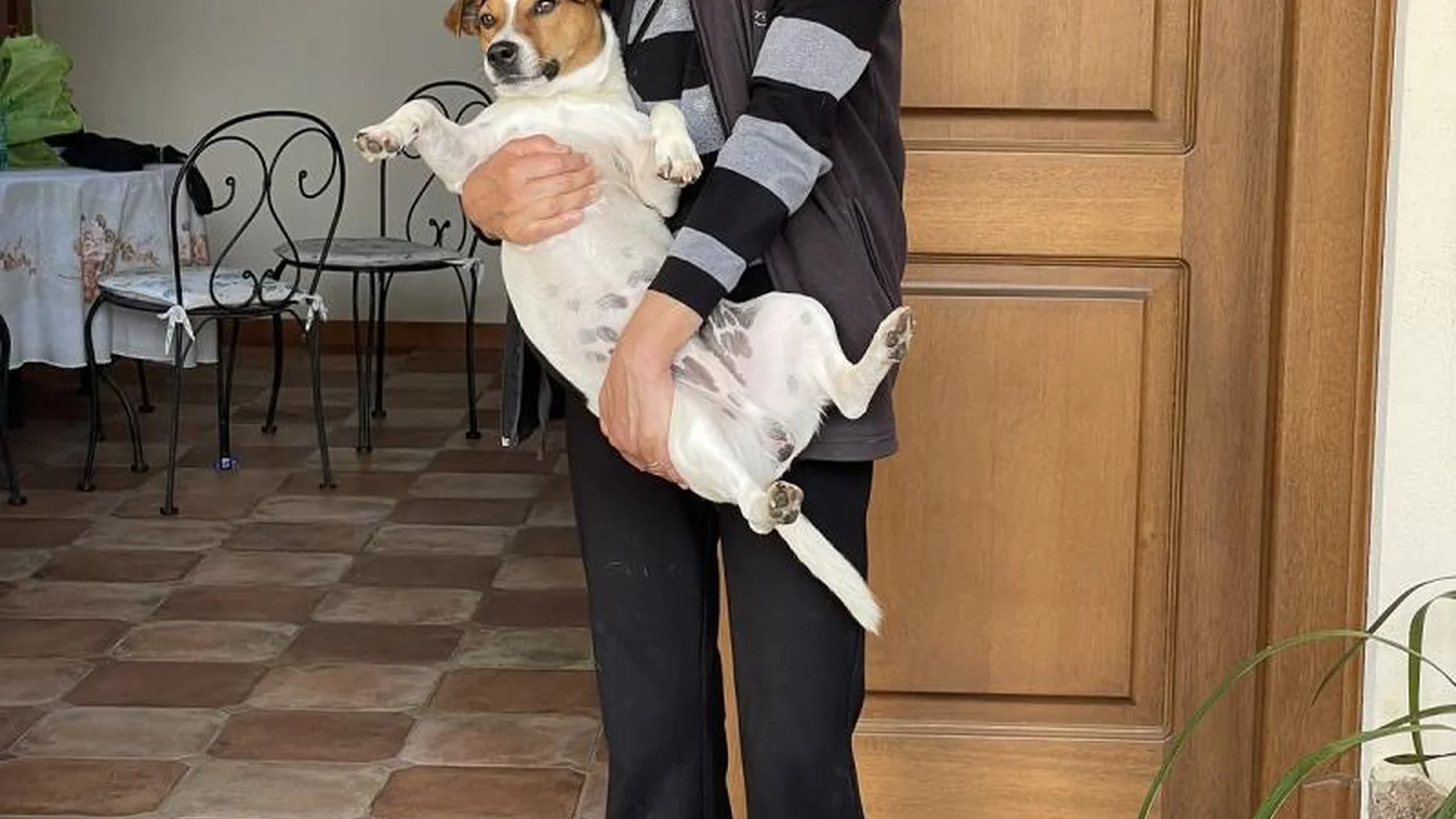
Private Rehoming Safety Rules
- Always Charge a Fee: Eliminates bait traders and impulsive collectors.
- Home Inspection: Physically inspect fencing, gates, and living quarters.
- Vet Reference: Call their existing veterinary clinic to check pet care history.
- Written Contract: Formal transfer agreement with microchip update.
How do you thoroughly screen a prospective adopter in South Africa?
Screening a private adopter in South Africa requires a multi-step verification process. Begin with a telephone or video interview discussing their daily work hours, previous pet ownership experience, family members, and the presence of other domestic animals. Ask for the contact details of their regular veterinary clinic and phone the clinic directly to verify that their previous pets were kept up-to-date on vaccinations and sterilised. Require proof of residence (such as a utility bill) and, if they rent or reside in a sectional title complex, request written permission from the landlord or Body Corporate confirming that dogs are permitted on the property.
What are the critical red flags that mean you should walk away?
When conducting private rehoming in South Africa, you must immediately decline any applicant exhibiting concerning behaviour. Red flags include enquirers who refuse to provide proof of identity, resist a physical inspection of their home and yard, demand unsterilised dogs for breeding purposes, or pressure you for immediate same-day handover in an isolated location. Furthermore, beware of buyers who send third-party drivers or couriers to collect the dog. In South Africa, dogs obtained through careless online classifieds are frequently subjected to severe animal abuse, backyard breeding in substandard conditions, or organized dog-fighting operations.
| Screening Stage | Safe Practice in South Africa | Dangerous Red Flag |
|---|---|---|
| Initial Contact | Detailed phone interview, clear identity verified | Vague messages, refuses phone call, rushed handover |
| Housing & Property | On-site check of 1.8m+ perimeter walls & secure gates | Refuses home visit, unfenced yard, complex ban |
| Veterinary History | Confirmed reference from their family vet clinic | No vet history, past pets unsterilised/neglected |
| Financial Commitment | Agrees to standard rehoming fee (R500 – R1,500) | Demands free dog, haggles over basic vet costs |
| Handover & Legal | Signed transfer contract + microchip registry update | Refuses written contract or microchip transfer |
Why must you always charge a rehoming fee?
You must never give a pet dog away for free in South Africa. Setting a moderate rehoming fee (typically between R500 and R1,500) serves as an essential welfare filter. It immediately deters individuals seeking free animals to use as training bait for fighting dogs, commercial brokers looking to resell pets at a profit, and unlicensed breeders. A legitimate adopter who has the financial capacity to provide high-quality food, annual vaccinations, tick/flea prevention, and emergency veterinary care will readily understand and respect the necessity of a rehoming fee.
Where should you meet and conduct the handover?
The initial introduction should always take place in a secure, neutral environment. The reception area or enclosed garden of a local veterinary clinic is ideal, as it offers a safe, monitored setting where both parties feel comfortable and your dog's microchip can be scanned on the spot. If the initial interaction is positive, the final handover must occur at the adopter's home. Visiting their physical property allows you to confirm that the perimeter walls, gates, pool fencing, and living conditions match the descriptions provided during your screening interview.
How does the legal transfer of ownership work in South Africa?
In South Africa, a legal transfer of ownership protects both the original owner and the adopter from future disputes. You should prepare two copies of a written Transfer of Ownership Agreement detailing the dog's microchip number, breed, age, full disclosure of medical/behavioural conditions, and the agreed handover date. Both parties must sign and date the document. Following the handover, log in to the relevant South African microchip database (such as Identipet, Virbac, or GetMeKnown) to officially submit the transfer of registration to the new owner's contact details.
Frequently Asked Questions About Private Dog Rehoming
Why should I charge a rehoming fee for a private adoption?
Charging a fee filters out dog-fighting bait syndicates, animal dealers, and impulse buyers, confirming the adopter can afford ongoing care.
What are the biggest red flags during private rehoming?
Refusing home visits, demanding same-day collection, resisting vet reference checks, wanting intact dogs for breeding, and using third-party couriers.
Where should the first meeting take place?
Meet in a secure public location, such as your local veterinary clinic, followed by a mandatory home check at the adopter's property.
How do I legally transfer dog microchip registration?
Complete a signed change-of-ownership form with the microchip registry (Identipet, Virbac, GetMeKnown) so records are officially updated.